NEARI Brain Based Program
In 2002, NEARI started to integrate research-based applied neuroscience or “Brain-based” approaches to teaching, counseling and interventions.
What Does “Brain-Based” Mean?
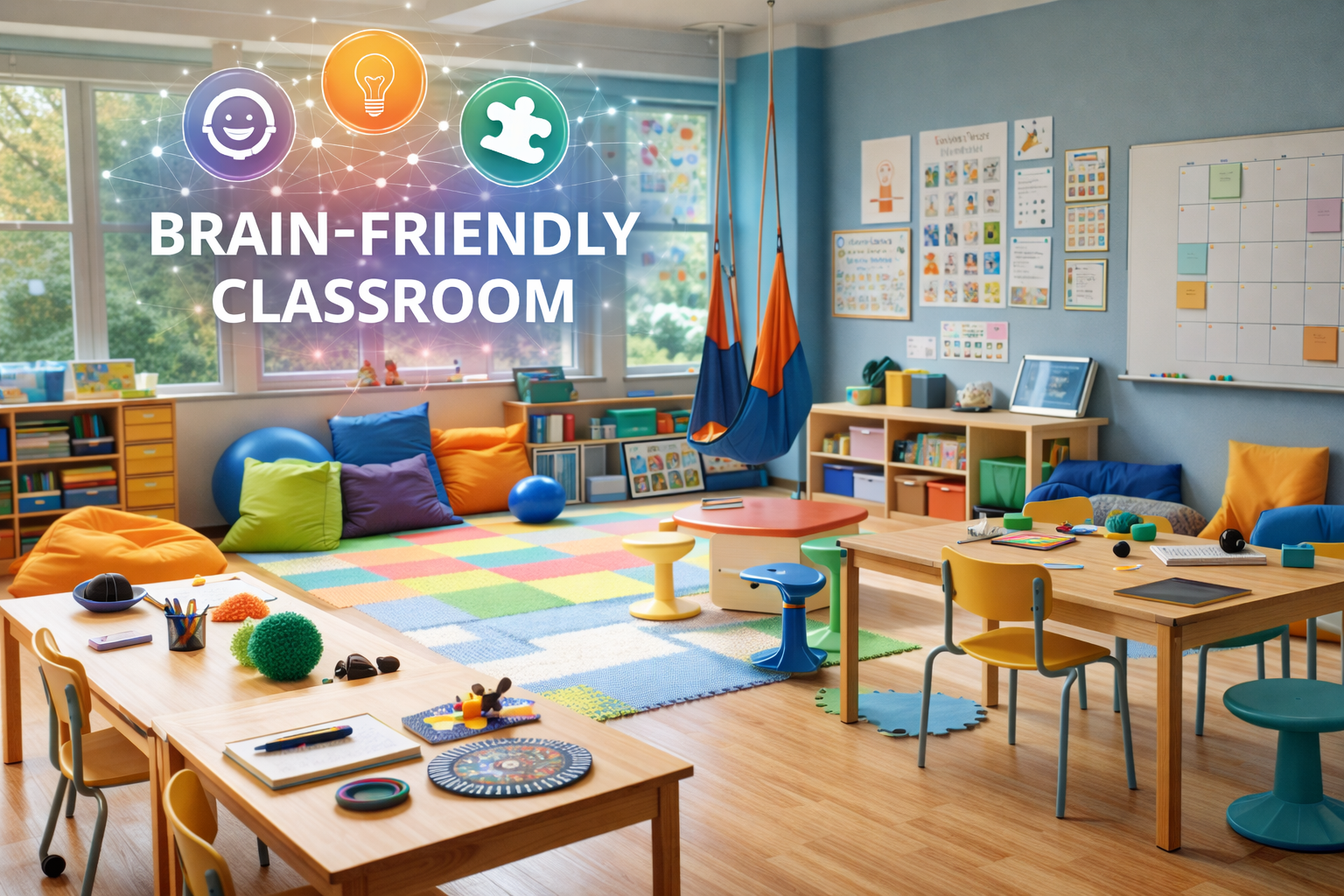
Being brain-based means understanding that learning does not happen separately from the rest of the student. Attention, movement, sensory processing, language, executive functioning, emotional regulation, previous experiences and the learning environment can all influence a student’s ability to participate successfully in school. Brain-based teaching uses research about development, learning and self-regulation to help us understand how an individual student learns best and what may be getting in the way.
Who we are:
The brain based team consists of educators, an occupational therapist and a speech & language pathologist. Our team helps to create an understanding of each student’s ability to access learning and determine possible barriers. Our understanding of a student is viewed through many lenses such as gaps or variations in development (neuro-developmental delays), sensory integration, executive functioning, reading ability, language development and developmental vision skills.
What we do:
We assess all students with baseline screens and testing, design and implement 1:1 and small group remediations in multiple areas as well as mentor and consult program-wide interventions.
areas WE MAY ASSESS
Reading & Learning: Grade-level reading, foundational skills and learning processes
Executive Functioning: Attention, working memory, organization, planning and cognitive flexibility
Communication: Speech, language, auditory processing and social communication
Developmental Skills: Developmental vision, visual-motor skills, movement patterns and coordination
Sensory Processing: Sensory integration, sensory needs and responses to the environment
Regulation: Self-regulation, states of alertness and readiness for learning
Most importantly, assessment does not end with a report.
The Brain-Based Team works with NEARI's clinical, academic and intervention teams to translate what we learn about a student into practical strategies used throughout the school day.
What Does It Mean to Be Learning Ready?
Learning readiness is a student’s ability to access and use the skills needed to participate successfully in learning. A student may understand the material but still struggle to learn because their nervous system is overwhelmed, sensory information is difficult to organize, language processing is demanding, executive functioning skills are underdeveloped, or foundational developmental skills require additional support.
At NEARI, we look at the whole student to identify both strengths and barriers to learning.
This allows us to distinguish, as much as possible, between what a student cannot yet do and what a student may be able to do when the right conditions and supports are in place.
From Assessment to Intervention
Brain-Based intervention can occur in three ways: by helping students develop foundational skills, by changing the environment to better support learning and regulation, and by adapting instruction to increase engagement and a student’s ability to process and use information. Based on assessment profiles, interventions may include:
Neurofeedback Training
Speech and Language Therapy
Occupational Therapy
Physical exercise programs
Reading instructional methods tailored to foundational reading problems
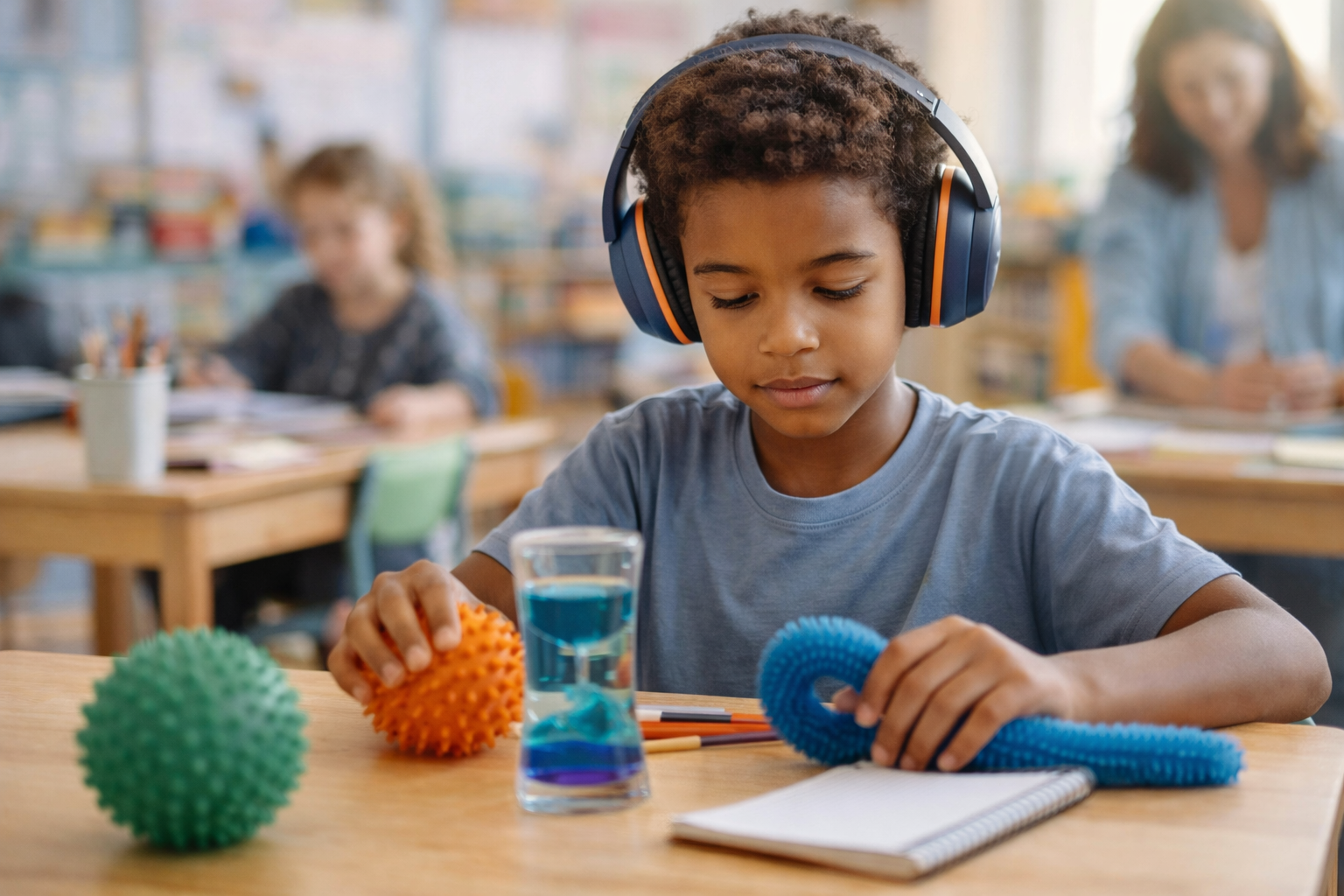
Sensory supports
Computer-based and one-to-one tutorials
Consultations on classroom support
Learning Readiness, Self-Regulation and the NEARI Way
Regulation happens at multiple levels, so interventions do too.
Self-regulation involves the ability to attain, maintain and shift states of alertness and then respond effectively to the demands of a situation.
At NEARI, we consider regulation across three interconnected levels:
Neurological, physiological and sensory regulation
Cognitive monitoring, planning and problem-solving
Behavior, impulses, choices and actions
Educational and behavioral interventions often concentrate primarily on the second and third levels. NEARI also considers the foundational sensory, physiological and developmental processes that can affect a student’s capacity to use higher-level skills.
Why This Matters
Many students arrive at NEARI after experiencing persistent academic, behavioral or emotional difficulties despite significant previous intervention. We do not assume that difficulty participating in school is simply a matter of motivation, compliance or choice.
Instead, we look for the developmental, neurological, sensory, cognitive, communication, emotional and environmental factors that may be contributing to the difficulty.
The brain remains capable of change throughout life. Through supportive relationships, targeted skill development, appropriate challenge, repetition and environments designed around a student's needs, students can develop new skills and more effective ways of learning and regulating.
That is the purpose of NEARI's Brain-Based Program:
Understand what is getting in the way of learning, identify and build upon each student’s strengths, develop missing foundational skills, and create the conditions in which the student can learn.
Want to learn more about the brain based program? Speak to your NEARI Case Manager or…